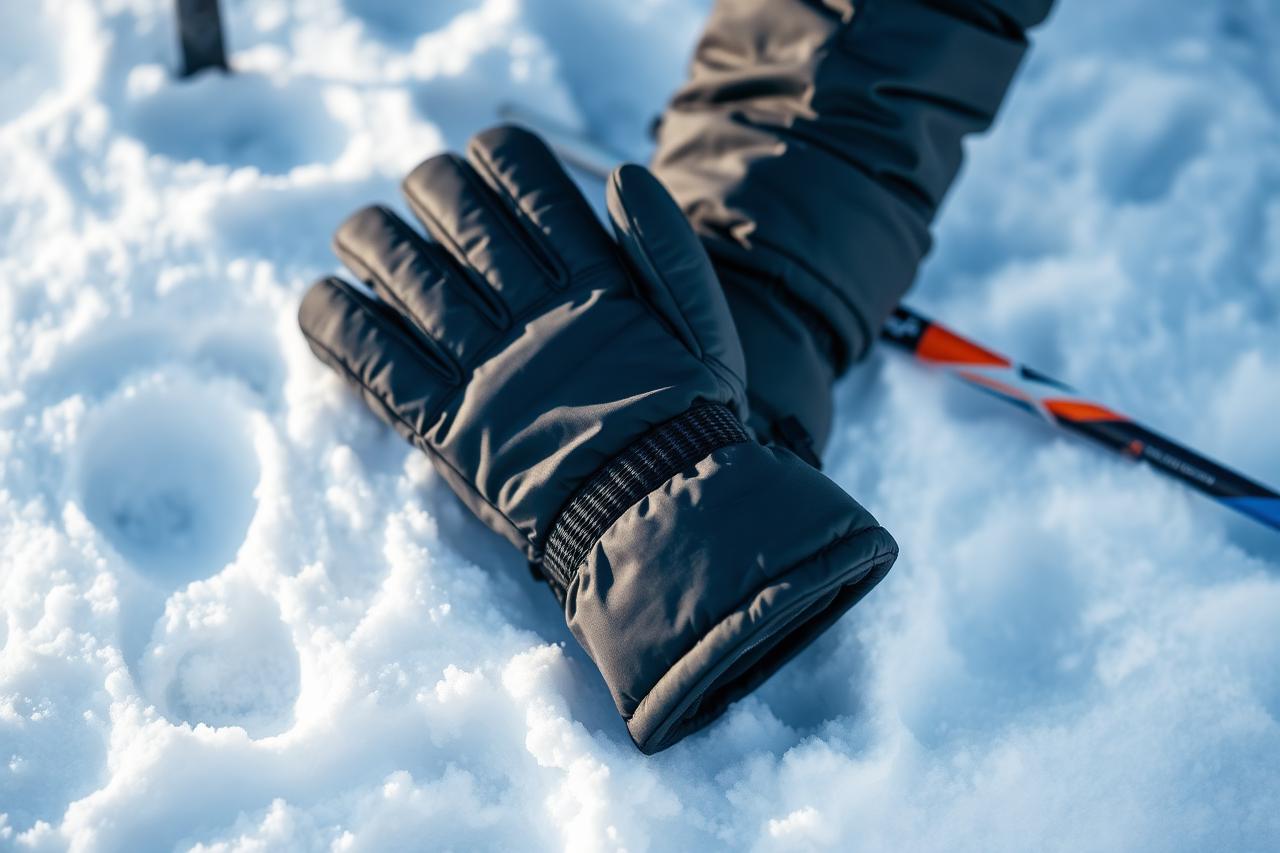
Cold is not just discomfort: why this matters
Anyone who has spent a full day skiing with children knows the cold often decides how long the family can actually enjoy the mountain. In very low temperatures — especially with wind, moisture and long exposure — the risk is not only discomfort: frostbite can happen.
The nose, ears, cheeks, chin, fingers and toes are among the most vulnerable areas. The goal is not to “tough out” the cold until the lifts close, but to keep skin dry, protected and with normal sensation.
The CDC notes that pain or redness can be early signs; numbness, white or greyish-yellow skin and a firm or waxy feel are warning signs.
Editorial notice: this article is educational and does not replace medical assessment. If numbness persists or the skin changes colour, hardens or looks waxy, seek medical care.
Transparency: this article contains affiliate links. If you buy through them, snow.blog.br may earn a commission at no extra cost to you. Price, stock, sizing, delivery and import conditions can change. No product replaces proper clothing, breaks, skin checks or medical care.
The basics: layers, proper fit and dry clothing
Cold protection starts before you buy any heated accessory. For skiing, the safest system usually combines a base layer that keeps skin relatively dry, an insulating mid layer and an outer layer that blocks wind, snow and moisture.
Clothing must not squeeze hands, feet or torso. A tight boot, too many socks or a glove that restricts circulation can achieve the opposite of what you want.
Swapping wet items and carrying dry spares also matters — especially with children. Paediatric guidance recommends thin layers, warm boots, gloves or mittens and head protection.
Hands: why mittens can be better in severe cold
In really low temperatures, mittens — where the four fingers stay together — are often the practical choice. Keeping the fingers close conserves heat, though it costs some dexterity. That trade-off is usually fine for holding poles; for adjusting gear or using a phone you may need to remove the mitten briefly, always in a sheltered spot.
An efficient combination is a thin liner glove plus a waterproof outer mitten. If the glove gets wet from snow or sweat it stops insulating properly and should be replaced or dried indoors.
For children, pack a second pair of gloves or mittens. That simple step avoids ending the day early — or, worse, wearing a soaked glove for hours as if it were still protecting.
| Item | What to look for | What to avoid |
|---|---|---|
| Outer mitten | Waterproofing, wind protection, long cuff and a fit that does not compress | A merely “thermal” item with no water protection |
| Liner glove | Thin fabric, fast drying and a comfortable fit | A thick layer that makes the mitten tight |
| Sizing | Room to move the fingers and fit a warmer without compression | Fingertips touching the end or a very tight cuff |
What to do when your fingers start getting very cold
If the hand is merely cold and the skin looks and feels normal, stop the exposure and rewarm gradually. Inside the mitten, bringing the fingers together and tucking the thumb into the palm can help for a few minutes, but it is not a way to keep skiing indefinitely.
You can also use your own body heat, holding the hands against the torso — near the abdomen or armpits — as long as they are protected and dry.
The key point is not to wait for numbness. Losing sensation is not just “feeling very cold”: it is a warning sign that means stopping, protecting the area and considering medical care.
Hand warmers: useful, but never against bare skin
Chemical warmers can help keep healthy hands warm during cold exposure. Use them according to the maker's instructions, with fabric between the warmer and the skin and enough room inside the glove so nothing is compressed.
With children, supervise more closely: they may not notice or report that a warmer has become too hot. Never place a warmer directly on a numb area or one with suspected frostbite — reduced sensation raises the risk of burns.
Important: warmers are prevention and comfort tools. They are not a treatment for an area that is already numb, white, grey, hardened or waxy.
Heated gloves: when they make sense
Battery-heated gloves or mittens can be worthwhile for adults who suffer badly with cold hands or spend many hours on the mountain. They cost more than conventional gloves and require attention to battery life, fit, water resistance, charging and the maker's instructions.
A heated glove should never be used to mask numbness so someone can keep skiing. If sensation is already lost or the skin has changed colour, stop the exposure and assess — do not just turn the heat up.
| Product | Marketplace | Editorial note |
|---|---|---|
| SAVIOR HEAT Heated Glove Liners (ASIN B08F28WK4R) | Amazon US | Thin liner; the listing itself recommends pairing it with a thicker outer glove |
| Heated Glove Liners (ASIN B0B81DSMZG) | Amazon US | Three heat levels; check sizing, battery life and fit inside the outer glove |
| Touchscreen waterproof thermal winter gloves (MLB-5335996844) | Mercado Livre | We do not treat the marketing claim of protection down to −40 °C as fact; check sizing and real waterproofing |
These three links were generated in the official affiliate tools (Amazon Associates, tag amato06-20, and the Mercado Livre affiliate portal). Price, stock and delivery change often: check on the listing page before buying.
Purchase on Amazon US
Purchase on Amazon US

Purchase on Mercado Livre
Feet: one good sock beats several socks
A proper ski or snowboard sock should warm the foot without adding bulk inside the boot. Stacking several socks tightens the fit, increases compression and reduces the air space that helps insulate.
Test the combination before you reach the mountain. The boot should let the toes move and create no pressure points. If the toes go numb, do not squeeze in one more run: go somewhere warm, take the boot off when possible and check the feet.
Battery-heated socks and heated insoles can suit adults with very cold feet. The essential check is whether the accessory fits comfortably in the boot: ski boots are already snug, and extra bulk can worsen circulation.
Nose, cheeks, ears and chin need protection too
Hands and feet get most of the attention, but the face is exposed to wind and snow as well. The nose, ears, cheeks and chin are among the areas most often affected by frostbite.
A snow-sports balaclava, combined with a helmet and proper goggles, reduces exposure on very cold or windy days. It should not restrict breathing or trap moisture against the skin; if it gets wet, swap or dry it.
With children, check their faces regularly: they may be too busy having fun to notice that their nose or cheeks are dangerously cold.
Heated vests: extra comfort, not a replacement for layers
Battery-heated vests spread warmth across the torso and can be comfortable for adults who feel the cold badly. Even so, they do not replace proper snow clothing, moisture protection and warming breaks.
Before buying, check battery life and recharge time, how the heating elements are distributed, the fit over your layers and the maker's guidance. Never wear heated gear in a way that compresses the body or sits uncomfortably against the skin.
Run small “cold checks” through the day
On very cold days, especially with children, do not wait for a complaint before taking a break. Schedule stops in warm places and check hands, feet and faces.
- Can the person feel every finger?
- Can they move their toes?
- Is there pain, tingling or numbness?
- Has the skin changed colour?
- Is the face dry and protected?
- Are clothes or gloves wet?
| Situation | Safest response |
|---|---|
| Mild cold, with normal-looking skin and normal sensation | Take a break, dry off, move to a safe heat source and adjust layers |
| Pain or redness after cold exposure | Get out of the cold and protect the skin; do not push on with the activity |
| Numbness, white or greyish-yellow skin, firm or waxy | Stop the exposure and seek medical assessment |
| Confusion, heavy drowsiness, slurred speech or strong shivering | Consider hypothermia and seek emergency care immediately |
If you suspect frostbite, do not “fix” it with intense heat
If numbness persists, the skin changes colour significantly, hardens or looks waxy, stop the cold exposure and seek medical care. The CDC also advises watching for signs of hypothermia, which need urgent attention.
While seeking help, remove wet clothing and move the person somewhere warm. Do not rub or massage the area and do not use snow on it. Do not put the affected area against a hair dryer, fire, radiator, very hot water bottle or electric blanket: numb skin can burn without the person noticing.
When immediate care is unavailable and rewarming is appropriate, the CDC advises warm — not hot — water or body heat, without treating that as a substitute for medical assessment. The Wilderness Medical Society guideline stresses early recognition, proper rewarming and avoiding refreezing.
Where possible, avoid walking on feet or toes with suspected frostbite, as that can worsen the injury.
Checklist for skiing with children
Before heading out, confirm the full kit and what goes in the backpack. The American Academy of Pediatrics recommends dressing children in several thin layers, with special attention to boots, gloves or mittens and head protection.
- Proper base layer, mid layer, jacket and trousers with wind and moisture protection.
- A dedicated ski sock, a liner glove and a waterproof outer mitten.
- A spare pair of gloves, dry clothes and face and neck protection in the backpack.
- If using hand warmers: follow the instructions, always separated from the skin and never tight.
- Scheduled breaks in warm places and cold checks even when the child says everything is fine.
The point is not to tough out the cold
This may be the main tip for skiing with children: do not turn cold endurance into a goal of the trip. If fingers are going numb, if a child is wet or if a face is too exposed, it is time to stop.
Between losing half an hour of skiing over a hot chocolate and risking a cold injury, the choice is simple. Proper gear, dry clothes, mittens, face protection, warmers used correctly and good breaks make an enormous difference.
The rule holds for adults and children alike: feeling cold is expected; losing sensation is not.
Cited sources: CDC (extreme cold and frostbite), Wilderness Medical Society (frostbite prevention and treatment guideline) and the American Academy of Pediatrics (guidance for children in cold weather).
Frequently asked questions
Glove or mitten in severe cold?
In severe cold, mittens usually retain more heat because the four fingers stay together, at the cost of dexterity. A good compromise is a thin liner glove under a waterproof outer mitten, removing the mitten only briefly and in a sheltered spot.
Can I put a hand warmer directly on the skin?
No. Always keep fabric between the warmer and the skin, follow the maker's instructions and leave room in the glove so nothing is compressed. Never apply it to a numb area or one with suspected frostbite.
Do two socks keep feet warmer?
Usually not. Several socks increase compression inside the boot and reduce the air space that helps insulate. A single, properly fitted ski sock normally works better.
What are the warning signs of frostbite?
Pain or redness can be early signs. Numbness and white or greyish-yellow skin that feels firm or waxy are warning signs: stop the exposure and seek medical care.
How do you rewarm safely?
Remove wet clothing and get somewhere warm. Do not rub the area or use snow, a hair dryer, fire, a radiator or a very hot water bottle. If care is not immediately available and rewarming is appropriate, the CDC advises warm — not hot — water or body heat.
Terms in this guide
Technical vocabulary used above, linked straight to the full definition in the snow glossary.
- Base layer
- The piece in direct contact with the skin. Its main job is not warmth but moving sweat away from the body. Usual materials: merino wool and technical synthetics. Cotton is discouraged because it holds moisture.
- Mid layer
- The intermediate layer responsible for insulation: fleece, microfleece or light down. It is the piece you add or remove according to the temperature of the day.
- Waterproof rating (mm)
- Measured in millimetres of water column. Around 5,000 mm suits dry snow and light use; 10,000 to 20,000 mm covers wet days, heavy snow and long use.
- Balaclava
- A hood covering head, neck and part of the face, leaving the eyes free for goggles. Used on very windy days and in very low temperatures.
- Mitten
- A glove where the fingers share one compartment. It is warmer than a five-finger glove, at the cost of dexterity.
- Ski boot
- A rigid plastic boot that clips into the ski binding. It is not made for walking; the correct fit is decided at the rental shop or in a bootfitting.
- Poles
- Used in skiing to set the rhythm of turns and help balance on flat ground. They are not used in snowboarding.
- Regular and goofy
- The two possible stances on the board: regular rides with the left foot forward, goofy with the right. Neither is superior — it depends on your natural posture.
- Stance
- Your posture on the board and also the binding setup (width and foot angles).