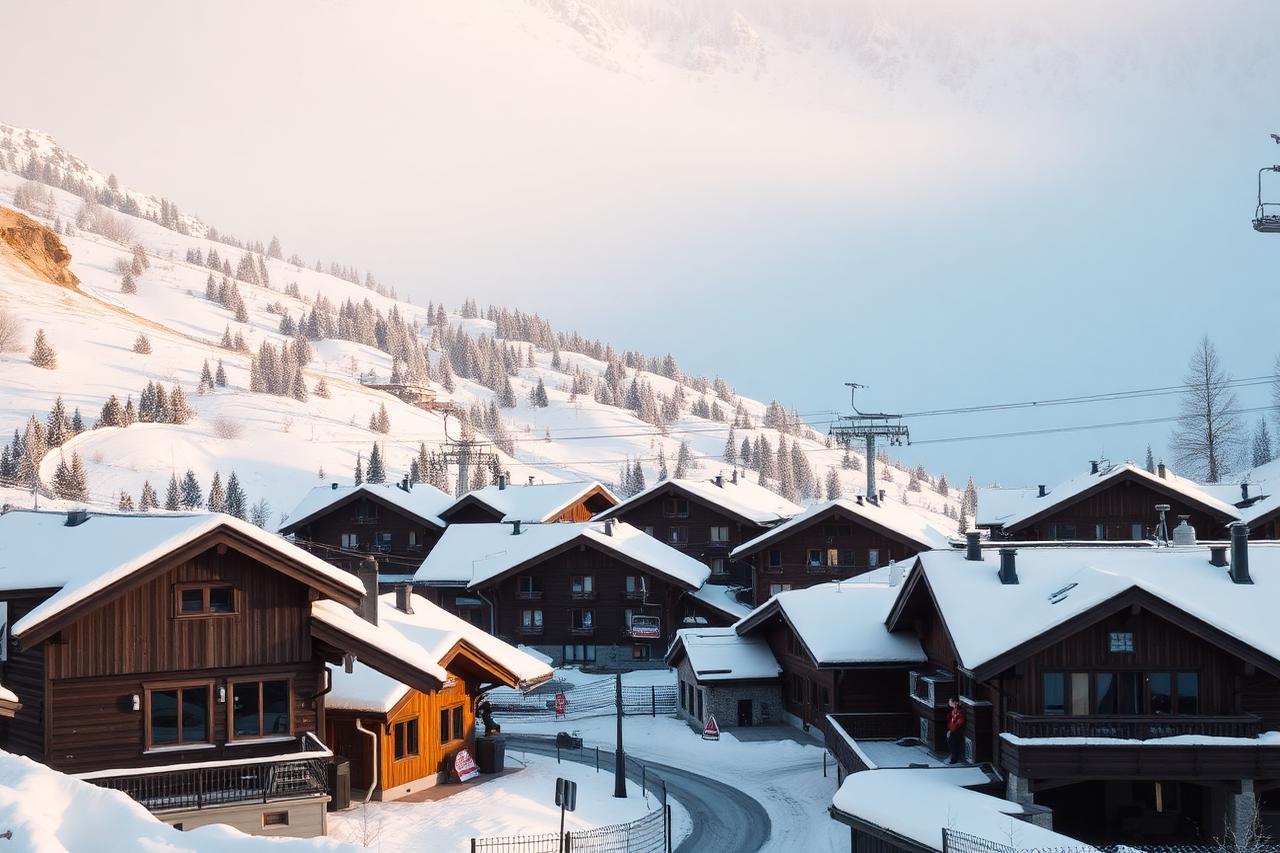
The sun is still a problem in winter
A snow trip is a delight, but cold, wind, dry air, altitude and sun exposure leave skin and hair drier and less comfortable. The good news is that a short routine, set up before you leave the hotel, prevents most of it.
One of the most common mistakes is assuming that cold or cloudy skies protect the skin. UV rays are present all year and part of the radiation goes through clouds — the American Academy of Dermatology notes that up to 80% of harmful UV rays can pass through them. Snow also acts as a reflective surface, increasing exposure of the nose, cheeks, chin, ears and neck.
Use a broad-spectrum, water-resistant sunscreen with SPF 30 or higher every day. On snow trips — especially at altitude or with long hours outdoors — SPF 50 is a practical choice, not a universal requirement. Apply to dry skin about 15 minutes before going out and reapply roughly every two hours, or sooner with sweat, friction or water.
Do not forget the eye area, ears, neck and lips. UV-protective goggles or sunglasses and covering clothing complement sunscreen: no single product replaces physical protection and less time out during peak sun.
Editorial notice: this text is informational and does not replace dermatological assessment. None of the products mentioned treats dermatitis, burns or any other skin condition.
Transparency: this article contains Amazon US affiliate links (tag amato06-20). If you buy through them, snow.blog.br may earn a commission at no extra cost to you. Price, stock, shade and delivery can change.
Moisturising: protect the skin barrier
Cold wind and dry air increase water loss from the outer layer of the skin. Instead of swapping many products at once, keep the routine short: gentle cleansing, moisturiser and sunscreen by day; cleansing and a richer or repairing cream at night.
Cream or balm textures tend to feel better on areas that crack easily — hands, the sides of the nose and the cheeks. Repairing formulas can help reduce dryness and discomfort, which is different from claiming they “strengthen” the barrier or treat a condition.
Apply moisturiser right after showering, while the skin is still slightly damp. Avoid very hot water and cleansers that leave skin tight. If you develop painful cracks, intense redness, persistent itching, blisters or signs of infection, stop new products and seek medical assessment.
Lips: choose a balm with SPF
Lips take a beating from cold, wind and snow-reflected radiation. A plain cocoa balm feels comforting, but during the day choose a moisturising balm with SPF 30 or higher — an explicit American Academy of Dermatology recommendation, reapplied throughout your time outdoors.
Keep it in a jacket pocket and reapply after eating, drinking, wiping your mouth or whenever the layer is gone. Avoid licking your lips: evaporating saliva makes dryness worse. At night, a more occlusive product without SPF completes the routine.
What to do with your hair before putting the helmet on
Wind, friction and static leave hair rough — especially long, dry, bleached or chemically treated hair. A simple step is a loose braid before the helmet goes on: it reduces tangles and stops strands rubbing at random.
If you like, apply a small amount of leave-in, oil or serum on the lengths and ends only. The goal is less roughness and frizz, not soaking the hair — excess transfers residue to the helmet liner, disturbs the fit and weighs down the roots. Braids and leave-in are cosmetic friction-protection tips, not proven medical advice.
Avoid very tight elastics under the helmet. Back at the hotel, remove the helmet carefully, detangle from the ends and wash if there is sweat, melted snow or product build-up. Never put a helmet on wet hair: it is uncomfortable and encourages breakage from friction.
Headbands and accessories: comfort without pressure
A thin, soft headband that does not hold moisture protects the ears and keeps hair tidy under the helmet. It must be compatible with the gear and must not change the fit or create pressure points. If you get numbness, headache, ear discomfort or trouble hearing your surroundings, take it off and rethink size and thickness.
The same applies to wireless earbuds: never use them in a way that compromises helmet fit or seal. Safety comes before looks or convenience.
Do not forget your hands — or water
Even inside gloves, hands dry out from cold, frequent washing and contact with fabrics and gear. Carry a cream to reapply during the day, especially after washing. At night, use a thicker layer on rough areas; if there are cracks, an occlusive product adds comfort.
Let the cream absorb before putting gloves back on, to avoid a damp feeling and reduce the risk of slipping when handling equipment. If skin cracks with bleeding or significant pain, seek professional advice.
In the cold, thirst feels weaker, yet physical activity, dry air and hours outdoors make comfort harder to maintain. Carry a bottle and drink regularly instead of waiting for strong thirst. Drinking water matters for general wellbeing but does not replace moisturiser, lip balm or wind protection.
A practical checklist for the trip
We split the routine into three moments of the day. Nothing should depend on memory halfway up the mountain: whatever needs reapplying has to fit in a jacket pocket.
| When | What to do | What to carry |
|---|---|---|
| Before heading out | Sunscreen on face, ears, neck and uncovered areas; protect the lips; braid the hair loosely | Broad-spectrum SPF 50 sunscreen, SPF 30+ lip balm, leave-in or hair serum |
| During the activity | Reapply sunscreen per the label and after sweating; reapply lip balm; drink water; check helmet fit | Travel-size sunscreen, lip balm, water and hand cream |
| Back at the hotel | Cleanse gently, moisturise, detangle from the ends and treat hands and lips | Repairing cream, night lip balm without SPF and a thicker hand cream |
Products to build your kit
The suggestions below are references found in the stores at review time. Price, stock, seller, shade and delivery change. A mention does not mean the product suits everyone: check the formula, the maker's instructions and your own tolerance — if in doubt, talk to your dermatologist.
We only use affiliate links where they were actually generated in the official tool: the four Amazon US addresses carry the tag amato06-20. On Mercado Livre the equivalent products are listed as plain references, because the trackable link was not generated in this review.
| Need | Reference product | Note |
|---|---|---|
| Face sunscreen | La Roche-Posay Anthelios Mineral Light Fluid SPF 50 (B004W55086) | Mineral formula with titanium dioxide and zinc oxide; the listing states 40-minute water resistance |
| Dry-skin comfort and hydration | La Roche-Posay Cicaplast Baume B5 (B0060OUV5Y) | Balm texture for areas that crack; comfort and less dryness, not treatment of a condition |
| Daytime lip protection | EltaMD UV Lip Balm SPF 30 (B00I8P0A2W) | Meets the SPF 30+ lip recommendation; reapply through the day |
| Hair lengths and ends | L'Oréal Paris Elvive Extraordinary Oil (B0083H8ASG) | Cosmetic use: a few drops, adjusted to hair thickness and porosity |
Purchase on Amazon US
Purchase on Amazon US
Purchase on Amazon US
Purchase on Amazon US
Conclusion
Skin and hair care on the snow does not need to be complicated. Daily sunscreen, an SPF lip balm, consistent moisturising, physical protection from the wind and a gentle way to tie your hair already make a big difference.
The logic is simple: preventing dryness and irritation during the trip is usually more comfortable than trying to repair skin and hair after the damage shows up.
Sources: American Academy of Dermatology — “Survey shows sun protection lacking in winter” and “Sunscreen FAQs”.
Frequently asked questions
Do I really need sunscreen on the snow?
Yes. Snow reflects radiation and up to 80% of harmful UV rays pass through clouds, according to the American Academy of Dermatology. Use broad-spectrum, water-resistant SPF 30 or higher — SPF 50 is practical at altitude — and reapply every two hours or after sweating.
Is a plain cocoa balm enough for the lips?
During the day, no. The dermatological recommendation is a lip balm with SPF 30 or higher, reapplied while you are outdoors. Products without SPF are better suited to night-time.
Can I use hair oil before wearing a helmet?
Yes, in moderation: a few drops on the lengths and ends. Too much transfers residue to the helmet liner and can disturb the fit — and helmet fit is a safety matter.
Does drinking water replace moisturiser?
No. Drinking water matters for general wellbeing, but water loss from the skin's outer layer in cold wind still requires moisturiser, lip balm and physical protection.